
- 24 October, 2019



2020 Trends in Big Data: The Integration Agenda
Jans Aasman was interviewed for this article at Inside BigData:
 Metadata is also instrumental in transporting resources between hybrid and multi-cloud environments. According to Franz CEO Jans Aasman, it’s particular helpful with “multi-cloud environments, partly in Google, partly in Amazon, partly in Azure. You can have a library of virtual machines and a library of applications that you need to run and a library of databases that contain data. If you turn all of that into a metadata graph about your digital assets…you could apply [this] asset management to a company’s cloud strategy.”
Read the full article at Inside BigData.
What related articles discuss AllegroGraph's AI, knowledge graphs, and context graphs?
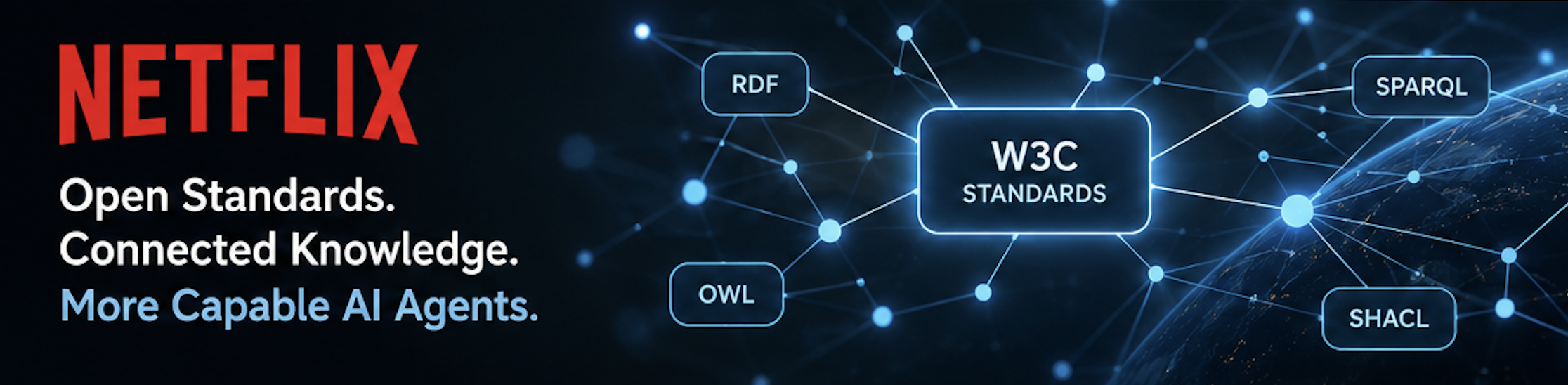
Netflix’s Ontology-Driven AI Architecture Validates the Need for Context Graph
- By Franz Inc.
- October 28, 2026
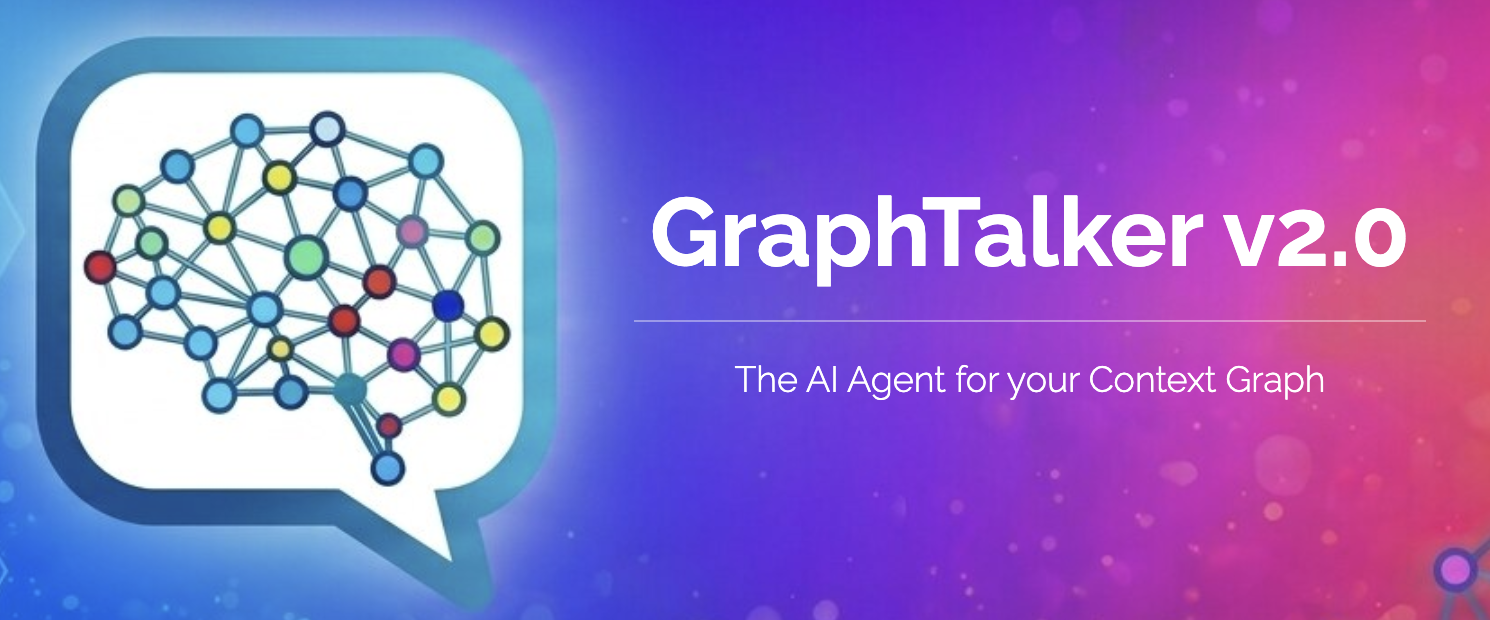
AllegroGraph 9.1 Introduces GraphTalker 2.0: Building Persistent Enterprise Memory for AI Agents
- By Franz Inc.
- October 16, 2026